7 Plumbing Emergencies You Should Never Ignore
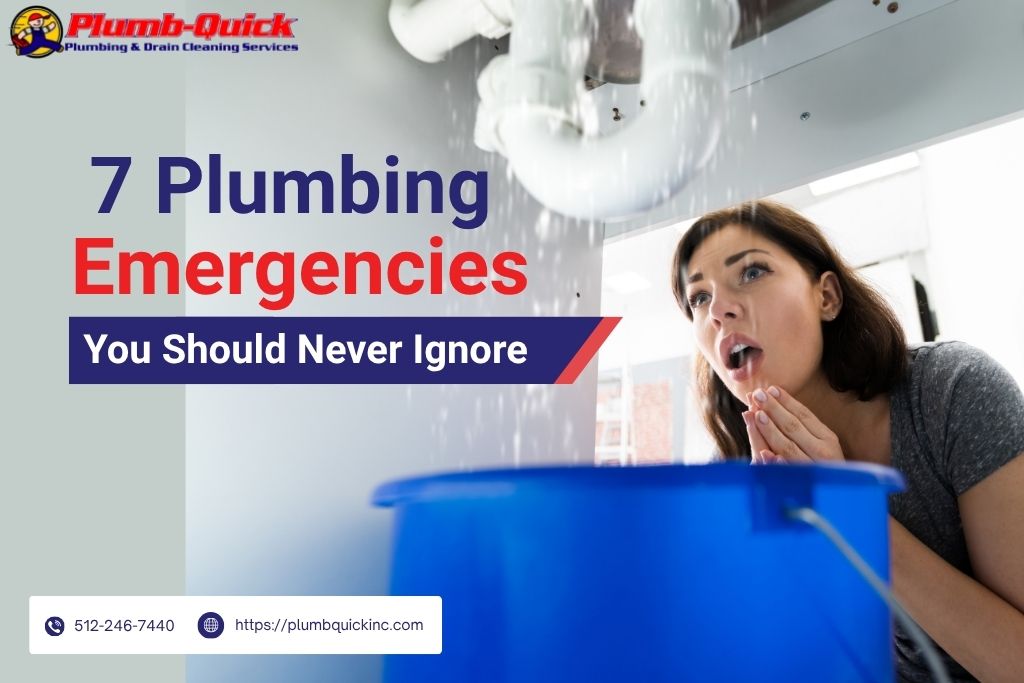
Plumbing problems can escalate quickly. While a small leak may wait, burst pipes, sewer backups, and other common plumbing emergencies may require immediate emergency plumbing in austin tx, to prevent further damage.
Here are seven plumbing emergencies to watch for, their warning signs, and what to do before professional help arrives.
1. Is a Burst Pipe a Plumbing Emergency?
Yes. A burst pipe is a plumbing emergency because it can release large amounts of water and quickly damage floors, walls, ceilings, and belongings.
What Should You Do While Waiting for Help?
- Shut off the main water supply if you can reach the valve safely.
- Stay away from standing water near electrical equipment to avoid creating an electrical hazard.
- Move furniture and valuables away from the affected area if it is safe to do so.
- Leave the pipe repair to a professional rather than attempting a temporary fix that may fail when you turn the water back on.
Once you stop the water supply and the area is safe, have a professional inspect and repair the damaged pipe before restoring normal water service.
2. When Does a Water Leak Become an Emergency?
A water leak becomes an emergency when you can’t control it, it’s causing damage, or it’s spreading from a hidden source.
Watch for:
- Water pooling or spreading quickly
- Water stains on ceilings
- A sudden drop in water pressure
- Growing damp areas
- Water appearing without a clear source
If a nearby shutoff valve doesn’t stop the leak, shut off the main water supply if it is safe to do so, and arrange professional repair.
3. When Is an Overflowing Toilet an Emergency?
An overflowing toilet becomes an emergency when the water will not stop, spreads beyond the bathroom, or other fixtures begin backing up.
If the bowl is rising, close the flapper inside the tank or turn off the toilet’s shutoff valve to stop more water from entering.
Watch for:
- Continued overflowing after the water supply is stopped
- Water spreading across the bathroom floor
- Other toilets or drains backing up
- Water rising in a shower or tub when the toilet is flushed
If multiple fixtures are affected, the problem may be deeper in the drainage system and should be inspected promptly.
4. Is a Sewer Backup One of the Most Urgent Plumbing Problems?
Yes. A sewer backup is a plumbing emergency because wastewater can return through toilets, sinks, showers, or floor drains. Stop using water in the home until the problem is inspected.
Common warning signs include:
- Multiple drains backing up
- Gurgling sounds from toilets or drains
- Water rising in a tub or shower after flushing
- Wastewater coming through a floor drain
These signs may indicate a larger blockage in the drainage system.
5. Is a Leaking Water Heater an Emergency?
A leaking water heater may need prompt plumbing service, especially if water is actively pooling around the unit or the leak is getting worse.
Look for:
- A steady stream or large amount of water
- Water leaking from the tank or connections
- A growing puddle beneath the unit
- Leaking combined with sudden loss of hot water
Do not attempt to handle or repair the unit yourself. If you can safely identify and access the correct shutoff valve, turn off the water supply and have a professional inspect it.
6. Should You Ignore Signs of a Slab Leak?
No. Inspect a suspected slab leak promptly because the damaged line may be hidden beneath the foundation.
Warning signs include running water when fixtures are off, unexplained moisture, or warm spots on the floor, which may indicate a hot-water-line leak beneath the slab.
Other signs include:
- A sudden increase in water use
- Damp or damaged flooring
- Reduced water pressure
- Moisture in unexpected areas
Because the leak is hidden, professional leak detection can help locate the source before repairs begin and avoid unnecessary damage to flooring or concrete.
7. When Do Drain Backups Require Emergency Plumbing?
A drain backup may need prompt attention when wastewater cannot drain properly, keeps backing up, or affects multiple fixtures.
Pay attention to:
- Water backing up into another fixture
- Repeated clogs after temporary clearing
- Several drains draining slowly or stopping altogether
- Gurgling sounds across more than one fixture
These signs can indicate a blockage deeper in the drainage system that needs prompt attention.
How Can You Tell If You Need Emergency Plumbing?
You may need emergency plumbing if the problem is causing damage, affecting multiple fixtures, or worsening quickly.
- Active water damage: Water is spreading, and you can’t control it.
- Multiple fixtures affected: Toilets or drains are backing up at the same time.
- Essential plumbing unavailable: You cannot safely use your water or drainage system.
- Problem getting worse: Basic steps are not stopping it.
Conclusion
A serious plumbing issue does not always require you to know exactly what is wrong before taking action. In many cases, the best first step is to stop using the affected fixture, shut off the appropriate water supply when it is safe, and have the problem properly assessed.
If you are dealing with a burst pipe, sewer backup, uncontrolled leak, slab leak, or another plumbing problem that cannot safely wait, contact Plumb-Quick for emergency plumbing in Austin, TX, homeowners can rely on.
Frequently Asked Questions
What Is Considered a Plumbing Emergency?
A plumbing emergency is an urgent issue causing damage, major backups, loss of essential plumbing, or rapidly worsening conditions. Common examples include burst pipes, uncontrolled leaks, and sewer backups.
When Should I Call an Emergency Plumber in Austin?
Call an emergency plumber in Austin, TX for burst pipes, active water damage, wastewater backups, or problems you can’t safely control.
Should I Turn Off My Water During a Plumbing Emergency?
For a burst pipe or major leak, shut off the main water supply if it is safe. For a single fixture, the local shutoff valve may be enough.
Is an Overflowing Toilet Always an Emergency?
No. It becomes urgent if you can’t stop the overflow, water spreads, or multiple fixtures begin backing up.
What Should I Do While Waiting for an Emergency Plumber?
If safe, stop the water flow, avoid using affected fixtures, and move valuables away from the area. Do not take apart plumbing components yourself.
Plumbing Problem?
Talk to an Austin Plumber
Get professional plumbing help from non-commission technicians with honest pricing and reliable service for homes and businesses across Austin.
Our Latest Posts
What Are the Signs of a Sewer Line Problem?
When Should You Call a Plumber for a Clogged Drain?